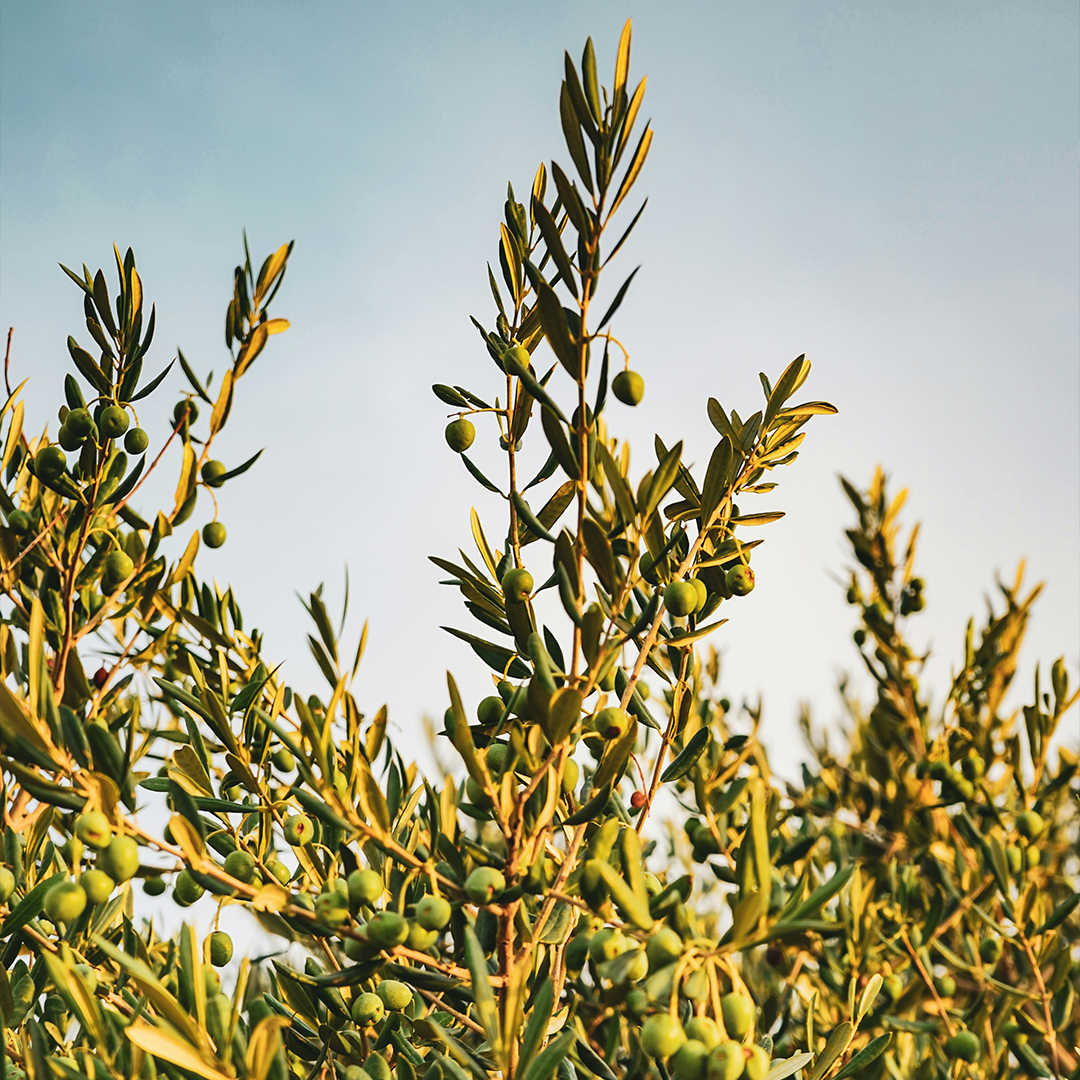
Let’s pick up where we left off and explore the olive cultivars of Tuscany—a region rich in history and tradition that preserves olive cultivation among its most precious treasures. With 119 different olive cultivars, Tuscany offers a variety of olive oils that reflect the unique characteristics of each production area. In this article, we’ll delve into some of the most distinctive cultivars and learn how each contributes to the richness of Tuscany’s olive-growing heritage.
Tuscan Olive Cultivars: A Mosaic of Diversity
Curious Names and Unique Varieties
Among the lesser-known and more intriguing olive cultivars, you’ll find Americano, Arancino, Cucca, Cuoricino, Lazzero, Madonna dell’Impruneta, Melaiolo, Puntino, and Tondello. These evocative names are part of Tuscany’s extensive list of olive varieties. Today, the region’s germplasm includes 119 varieties, each harvested separately every year to better understand their characteristics and aromas—much like wine.
A Widespread Cultivation
In Tuscany, there’s no area without olive oil production. From the Apuan Alps to Capalbio and from the hills of Arezzo to the Pistoiese mountains, olive cultivation spans about 100,000 hectares, 90% of which are located in hilly or low mountainous areas.
Rediscovered and Traditional Cultivars
- Quercetano, originating from the town of the same name between the provinces of Massa and Lucca, is known for its oval shape and resistance to the olive fly.
- Maurino Lucchese, found in various areas of Tuscany, is valued for its ability to pollinate other cultivars.
- Leccio del Corno, identified on the estate of San Casciano Val di Pesa, and Olivastra Seggianese, rich in antioxidant polyphenols and cultivated at the foot of Mount Amiata, are two other highly significant varieties.
The Most Common Varieties and Their Organoleptic Characteristics
In Tuscany, the most prevalent cultivars are Leccino, Frantoio, and Moraiolo, which make up 80% of the region’s olive-growing heritage. For a pure and clean oil, Leccino should be harvested first, followed by Moraiolo, and finally Frantoio. However, olive growers are the best judges of the optimal harvest time. Each oil has its unique features: Leccino is known for its vegetal and spicy notes; Frantoio stands out for its pronounced bitter and spicy tones; Moraiolo boasts hints of artichoke, eggplant, and pepper. Tuscan oils are typically pungent and fruity, thanks to their high polyphenol content, which is a result of early harvesting and hillside cultivation. These cultivars are uniformly harvested throughout Tuscany.
Quality Certifications: IGP and DOP
Tuscany boasts four Protected Designation of Origin (DOP) certifications and one Protected Geographical Indication (IGP) for its extra virgin olive oils: Toscano IGP, Chianti Classico DOP, Terre di Siena DOP, Lucca DOP, and Seggiano DOP. These certifications ensure that olives are exclusively grown and processed in Tuscany, following traditional methods and undergoing rigorous quality analyses.
The Tradition of Chianti Classico DOP
Chianti Classico DOP oil, produced exclusively with olives from the Frantoio, Correggiolo, Moraiolo, and Leccino varieties, represents one of Tuscany’s finest olive oil excellences. This oil, with its deep green color and distinctive fruity aromas, is prized for its high levels of oleuropein and chlorophyll, which are powerful antioxidants. Olive cultivation in Chianti dates back to medieval times, when the region was a battleground between Florence and Siena. Later, during times of peace, olive and vine cultivation became essential components of the local economy.
Toscano IGP: A Mark of Quality
The Toscano IGP certification ensures that olives are grown and processed in Tuscany, with particular attention to tradition and quality. The oil undergoes rigorous organoleptic and chemical analyses to meet the standards required by its specifications.
Tuscany, with its 119 olive cultivars, offers an extraordinary olive-growing heritage. Each variety, with its unique characteristics, contributes to the creation of olive oils with distinct aromas and flavors. Exploring them all not only enhances their value but also preserves and celebrates Tuscany’s rich olive-growing tradition.